Loading...
Serving Coppell, TX and surrounding areas. (214) 432-7164
Footings are the part of your project no one sees, but they determine whether everything above them stays level and stable for years. We pour concrete footings in Coppell sized for local soil conditions and the actual loads they need to carry.
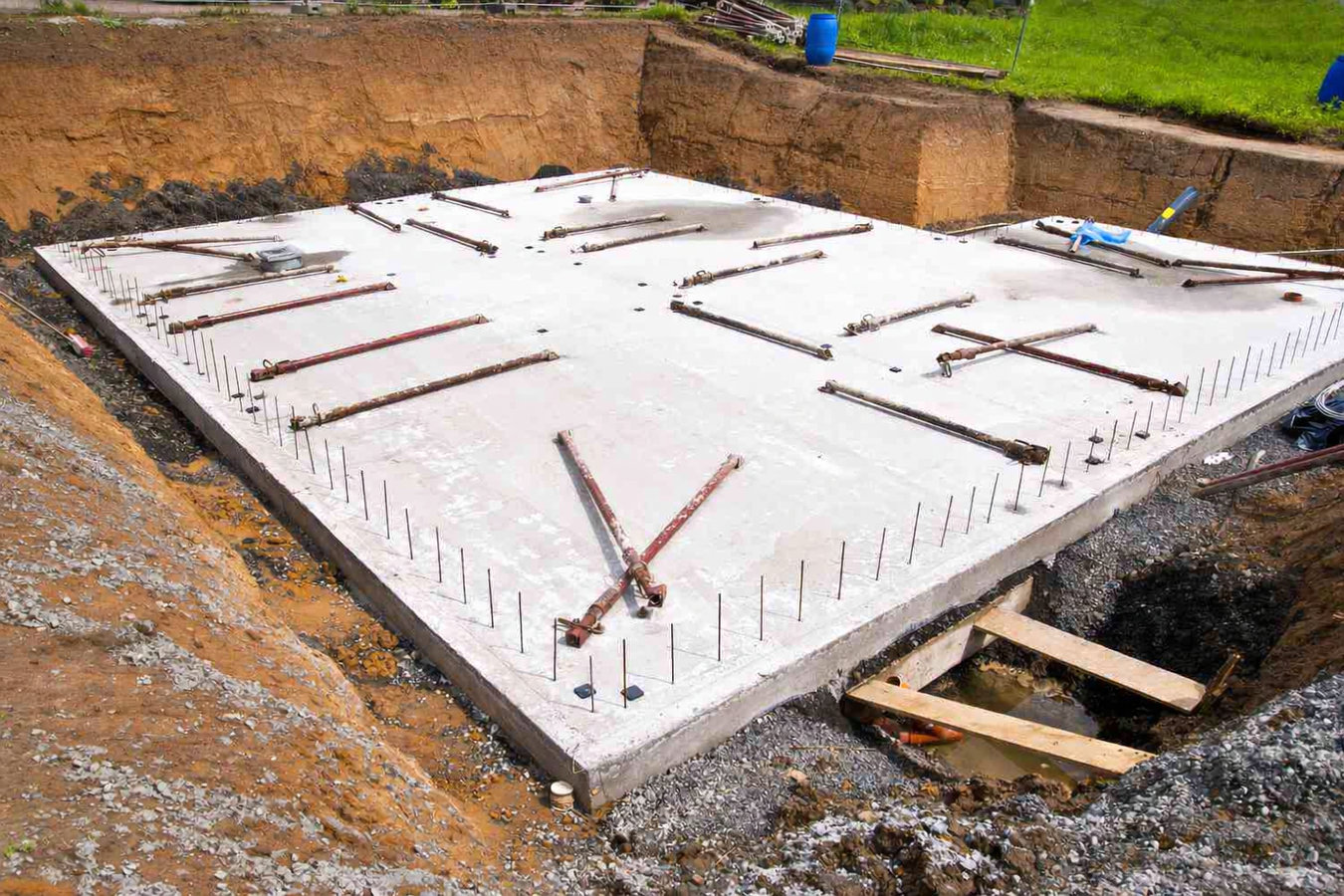
Concrete footings in Coppell, TX are below-grade concrete pours that transfer the load of a structure into stable soil - used for decks, room additions, pergolas, fences, carports, commercial columns, and any structure that needs a load-bearing anchor, with most residential footing projects completed in one to two days of active work once the permit and site prep are done.
In much of the country, footing depth is driven primarily by frost depth. In Coppell and the broader DFW area, the driver is different: the expansive clay soil that runs under nearly every property here. That soil moves - swelling when wet, shrinking when dry - and a footing that does not reach stable ground below the active clay layer will move with it. When footings move, the structure above them moves too, and that movement shows up as leaning posts, uneven decks, and gaps where there should be solid connections. Whenever the project also involves a larger poured concrete scope, our foundation installation service covers the full engineered slab work that complete new builds and major additions require.
A fence post, deck column, or structural post that has started to lean or shift is telling you the footing below it has failed or was never adequate. In Coppell's clay soil, this typically develops over several seasons as wet-dry cycles work on the base. Waiting longer allows the structure above to sustain more damage.
When a deck or covered porch that was once flat starts to slope or dip in one area, the footings supporting those sections have likely moved. This is a structural issue that gets more expensive to correct the longer it is ignored.
Any new deck, room addition, carport, pergola, or commercial structure needs footings sized and placed for the load it will carry and the soil it sits on. In Coppell, getting this right from the start is far less expensive than correcting footing failures after the structure is built.
Visible separation between a deck or addition and the main house wall, or cracking where a post meets a concrete pad, signals that the supporting footings have shifted. This type of movement also creates entry points for water and pests into the structure.
We pour footings for a range of residential and commercial applications in Coppell. Deck footings and post footings for pergolas or carports are among the most common residential requests - projects where the difference between a well-sized footing and an undersized one becomes obvious within a few seasons of clay soil movement. Room addition footings require engineering coordination and a city permit, and we handle both as a standard part of the job. For commercial projects - including column footings, equipment pads, and structures in Coppell's commercial and logistics corridor - footing design is typically driven by the structural engineer's specifications, which we work from directly. Our foundation raising service addresses cases where existing footings or a slab have already shifted and the structure above needs to be brought back into position.
Drilled pier footings - where a hole is bored to depth and filled with concrete, sometimes with a belled bottom - are a common approach in this area for exactly the reason the soil demands it: a belled pier footing resists being pushed up by expanding clay more effectively than a straight-sided post hole. We discuss the right footing type for your specific project and soil conditions during the site visit, not as an upsell, but because the choice genuinely affects how long your structure stays stable.
Sized and drilled for residential decks and covered porches, accounting for the span, load, and local soil conditions.
For pergolas, carports, outbuildings, and freestanding columns - placed at the correct depth for stability in DFW clay.
Engineered footings for room additions and structural upgrades, coordinated with permit drawings and city inspections.
For commercial columns, equipment pads, and structures - poured to the engineer's specification and sized for the actual load.
The expansive clay soil that runs under Coppell and the surrounding DFW area is not a minor variable in footing design - it is the central one. This soil can exert significant uplift pressure on footings during wet periods and pull away from them during dry spells, creating uneven support that translates directly to structural movement above ground. Most of Coppell's housing stock was built between the mid-1980s and early 2000s, which means many residential structures are now old enough that original footings have experienced years of this soil movement. Homeowners near the residential corridors off Belt Line Road and throughout the established neighborhoods often discover footing problems as part of a deck replacement or addition project. Property owners in Irving and Flower Mound face the same soil conditions, and we apply the same local-specific sizing approach across our entire service area.
Coppell also has active HOA governance in many neighborhoods and city building standards that apply to permitted footing work. A reputable local contractor knows which projects require a permit and which do not, helps you navigate the HOA approval process where it applies, and ensures the footings are poured in compliance with local code - protecting your investment and your property value when it comes time to sell or refinance.
Describe your project when you reach out - what is being supported, approximate size, and whether you have plans already. We respond within 1 business day to schedule a site visit. Most footing estimates are provided at no charge after we have seen the actual ground conditions.
We visit your property to assess the soil, evaluate the load the footings need to support, and determine the correct depth and diameter. For permitted projects, we identify whether engineered drawings are required and handle that coordination so you are not left to navigate the city process alone.
Post holes or trench excavations are dug to the correct depth and diameter using appropriate equipment. Forms or tubes are set to hold the concrete in shape during the pour. Any required rebar or anchor hardware is placed before the concrete is poured.
Concrete is poured and finished. Curing takes several days before loads can be applied - we give you a specific timeline based on the concrete mix and weather at the time of the pour. Once cured, we walk through the completed work with you before the project is closed.
We respond within 1 business day - give us a call or submit a request and we will schedule a free site visit to assess your project.
(214) 432-7164Expansive clay soil in Coppell and throughout the DFW Metroplex is the main reason concrete footings fail prematurely in this area. We size footing depth and diameter based on local soil behavior and the specific loads your project will carry - not a generic spec that ignores how the ground here actually moves.
Footings for decks, additions, carports, and commercial structures typically require a Coppell building permit. We handle the permit application as part of the project, confirm what is and is not required for your specific scope, and keep you informed so there are no surprises during construction.
A fence post footing and a deck column footing are not the same job. We size and pour footings based on the actual structure and load they need to support - whether that is a backyard fence, a 600-square-foot deck addition, or a commercial column. Getting this match right is what determines how long the structure stays plumb and stable.
In Coppell's summer heat, concrete in small forms like post holes can set too fast if the pour is timed poorly. We schedule footings work to give the concrete the best curing conditions available and apply appropriate practices to protect small-volume pours from the effects of peak-day heat.
The American Concrete Institute sets the technical standards for concrete placement, curing, and structural design that guide how we pour and finish every footing project. Footings done right the first time keep your project on schedule and your structure stable for years - footings done wrong mean you are eventually tearing apart the work above them to get back to the base.
When existing footings or a foundation have already shifted, our foundation raising service addresses the settlement before it causes further structural damage.
Learn MoreFor new construction or full replacements, our foundation installation service handles the complete engineered slab pour from permit to final inspection.
Learn MoreEvery season you wait, DFW clay soil keeps working on the structure above - call now and we will assess your project at no charge.