Loading...
Serving Coppell, TX and surrounding areas. (214) 432-7164
DFW clay soil pushes hard on retaining walls. We build with the right drainage and rebar so your wall holds - and handles Coppell permits from start to finish.
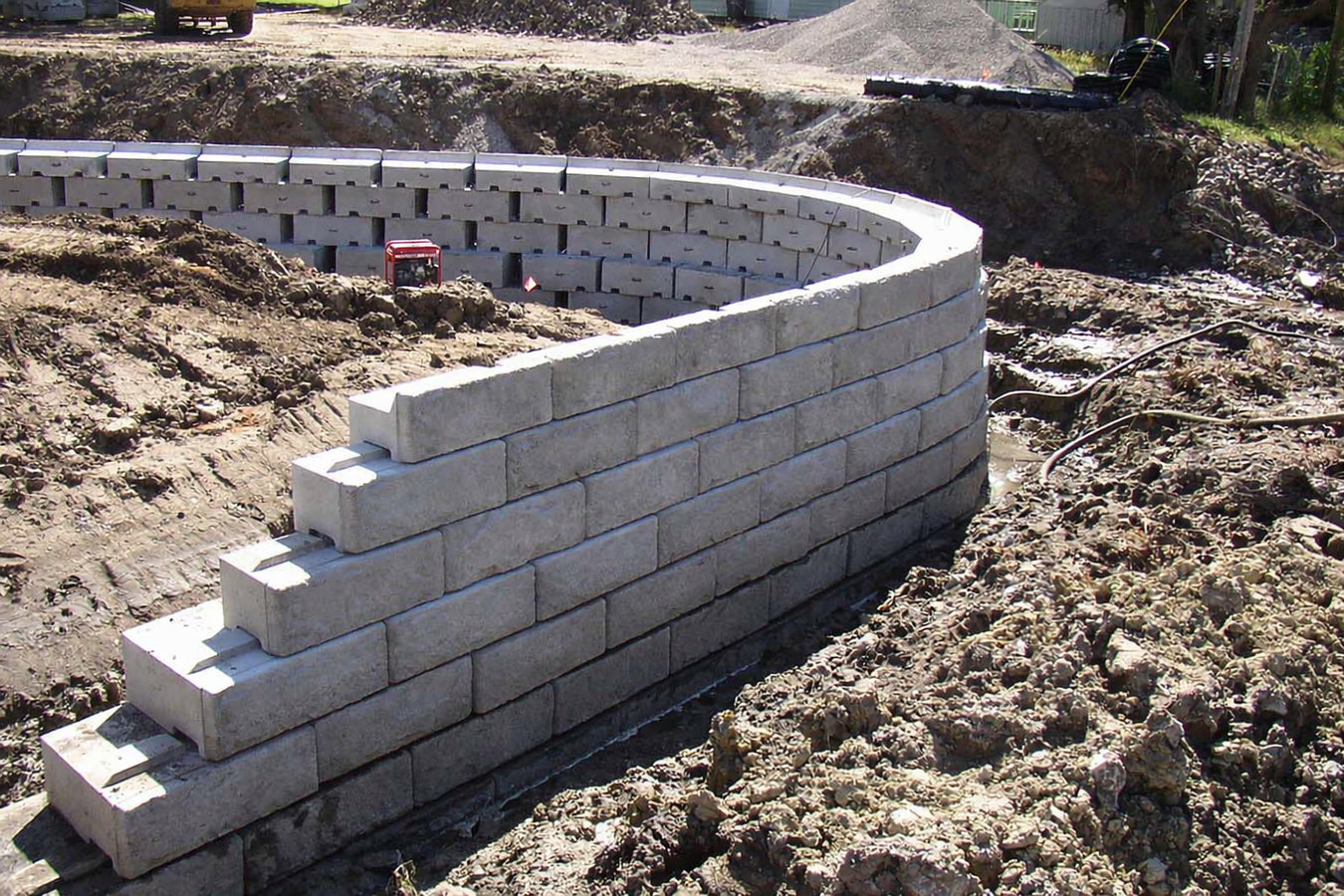
Concrete retaining walls in Coppell, TX involve excavating along the wall line, preparing a compacted footing base, setting rebar and forms or block courses, pouring or building the wall, and packing gravel drainage material behind it - most residential walls take one to three days of active work, with full completion time stretching longer once permits and curing are factored in.
A retaining wall solves two problems at once: it stops your yard from eroding downhill and can turn a steep, unusable slope into flat space you can actually enjoy. If you are dealing with water running toward your foundation after every rain, the wall works together with proper drainage to redirect that water away. We also handle concrete floor installation and concrete steps construction if you want to complete the grade change as a single coordinated project.
If every heavy rain leaves a deposit of dirt or mulch somewhere it does not belong, your slope is actively eroding. In Coppell, where intense rain events are common, this kind of erosion can accelerate quickly and eventually reach a driveway or foundation.
If part of your property is too steep to mow safely or too uneven to enjoy, a retaining wall can level it out and give you functional outdoor area. Many homeowners add a wall specifically to create a flat zone for a patio or garden bed.
A wall that is visibly tilting forward, showing wide horizontal cracks, or pulling away from adjacent sections is under stress it was not designed to handle. The expansive clay soil in this area puts unusual pressure on walls, and a compromised wall will not improve on its own.
If rainwater consistently collects near your house after heavy rain, a grading problem is likely involved. A retaining wall combined with proper drainage can redirect that water and protect your foundation from long-term damage.
Poured concrete walls are the most common choice for residential projects in this area. They can be formed into almost any shape, finished with different textures, and built to handle the specific soil load your yard produces. For homeowners who want a stacked, natural look, concrete masonry unit (CMU) block walls are another option - they are built course by course and allow for a variety of face textures and colors. Both types need rebar reinforcement and a proper drainage layer behind them to hold up against Coppell clay. We also build concrete floor installations for the leveled area behind the wall if you want a finished patio or outdoor surface.
Tiered wall systems are worth considering when the grade change is significant. A single tall wall carries more pressure than two shorter walls stepping down the slope, and the tiered approach also creates planting beds or usable terraces between the levels. For projects that include steps connecting the levels, we handle concrete steps construction as part of the same project so the finish and materials match throughout.
Formed and poured in place - strong, versatile, and well-suited to custom shapes and grade changes.
Built course by course with concrete masonry units - good for homeowners who prefer a stacked, textured face.
Two or more shorter walls stepping down a slope - distributes soil pressure and creates usable terrace space between levels.
Every wall we build includes gravel backfill and drain pipes or weep holes - essential in Coppell clay soil.
Coppell sits on some of the most expansive clay soil in the country. That soil swells after every spring rain and then shrinks back during the dry summer months - a cycle that puts far more lateral pressure on retaining walls than sandy or rocky soil ever would. A contractor who builds retaining walls in other parts of the country and then comes here without adjusting their approach will underestimate that pressure. Proper rebar spacing, deeper footings, and gravel drainage backfill are not optional extras here - they are the baseline for a wall that actually holds.
Summer heat is a secondary factor that affects concrete placement timing. When temperatures push past 100 degrees, freshly poured concrete can cure too quickly and lose strength. Experienced local crews schedule pours for early morning and keep the wall moist during curing. We serve homeowners throughout Lewisville and Flower Mound and face the same soil and climate conditions across the region. For more on reinforced concrete wall standards, the National Ready Mixed Concrete Association publishes resources on mix design and placement in challenging conditions.
Reach out by phone or our contact form. We respond within 1 business day to set up a free on-site estimate - no pressure, no obligation.
We assess your slope, measure the wall run, and evaluate soil and drainage conditions. You receive a written estimate covering excavation, materials, drainage, and labor before anything starts.
We submit the permit application and handle plan review. Once approved, the crew marks utility lines, excavates along the wall line, and prepares the footing area - typically one day for a standard residential wall.
We set forms or block courses, install rebar, and pour or build the wall while packing gravel drainage material behind it. Poured walls cure for several days before backfilling - rushing that step is one of the most common causes of early wall failure.
Free on-site estimate. Written quote. No pressure. We respond within 1 business day.
(214) 432-7164We pack gravel backfill and install drain pipes or weep holes behind every wall we build. In clay soil that holds and releases water this dramatically, drainage is not optional - it is what keeps the wall standing long-term.
We pull the required city permit before work begins and coordinate the inspection afterward. You never have to track the permit yourself or worry whether the job is documented correctly for resale.
We respond to every inquiry within one business day to schedule a free on-site assessment. You get a written quote with no hidden fees and no pressure to commit on the spot.
We are based in Coppell and work throughout the surrounding DFW area. Building walls in this soil is not the same as building walls elsewhere - local experience in clay conditions is a real differentiator.
Every retaining wall we build is designed for the soil and climate conditions here - not a generic approach imported from somewhere else. We handle permits, drainage, and the city inspection so you get a wall that is documented, done right, and built to last in North Texas.
Once your slope is stabilized, add a concrete floor to the leveled area for a durable patio or outdoor living surface.
Learn MoreConnect grade changes with concrete steps that match the wall and hold up through North Texas soil movement.
Learn MoreRainy season will be here soon - get your wall planned and scheduled now before the next round of erosion.